
Myths About Root Canals That Keep Patients From Getting Treatment
Historically, endodontic procedures were perceived as excruciatingly painful due to primitive dental instruments and limited local anesthetics. These early techniques created a lingering stigma that continues to influence modern patient perceptions through outdated anecdotes. Over time, advancements in clinical dentistry have dramatically minimized patient discomfort during treatment. Recognizing how far clinical techniques have evolved helps clarify the historical origins of these persistent myths. Modern root canals are designed to relieve severe toothaches rather than cause them.
Applying Modern Anesthetic Tools
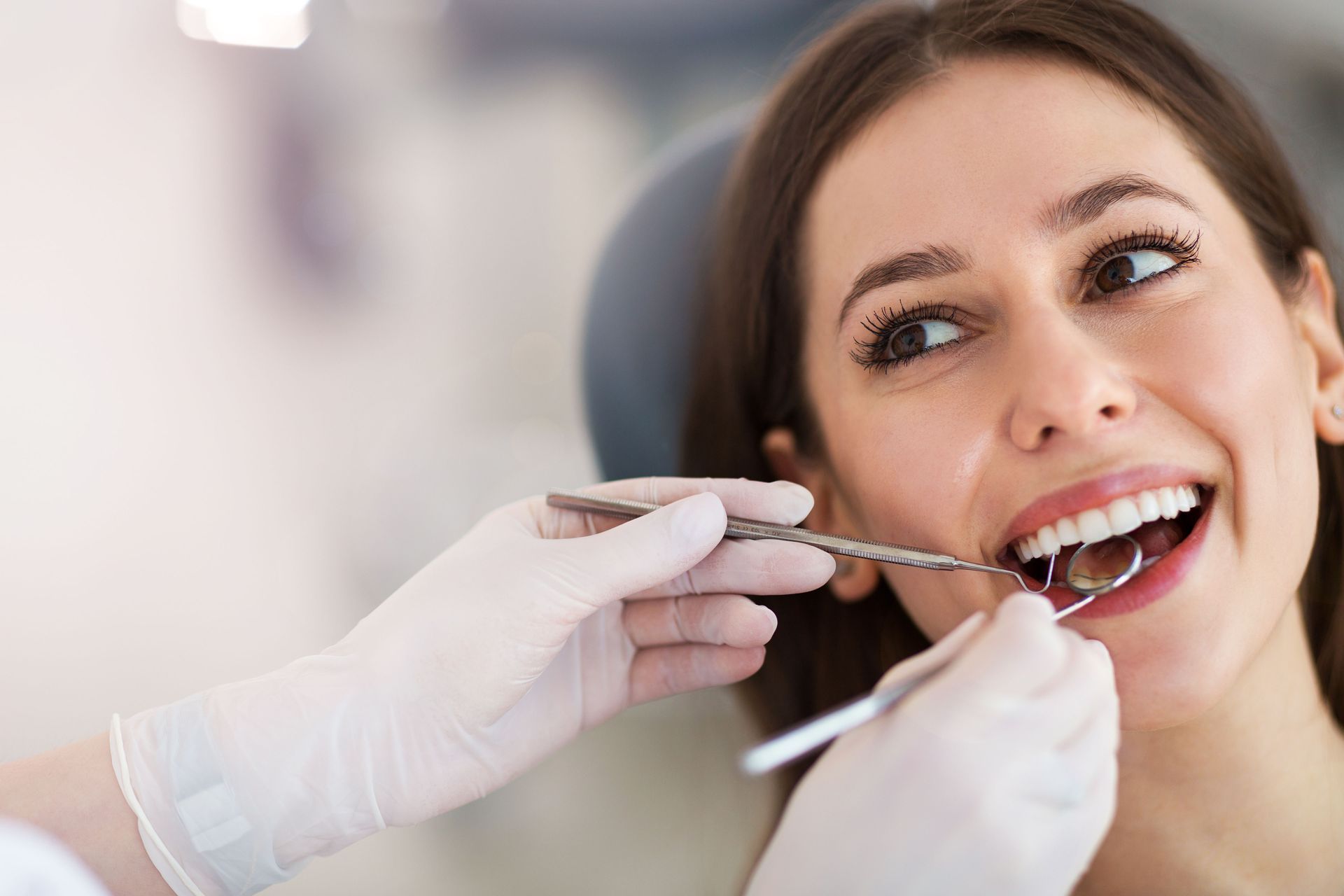
Contemporary anesthetic formulations and advanced delivery systems have completely transformed the patient experience during therapy. Today, dentists apply targeted local anesthesia to numb the surgical site, ensuring patients feel virtually nothing during the procedure. High-precision rotary instruments allow for swift, thorough removal of infected pulp while preserving healthy enamel. These technical refinements allow clinicians to perform root canals efficiently while maintaining total patient comfort.
Comparing Treatment Discomfort Levels
Research indicates that preserving a natural tooth causes significantly less post-operative discomfort than performing a complete tooth extraction. While both procedures aim to eliminate dental decay, keeping the natural tooth structure supports a faster, less traumatic recovery. Patients who undergo extractions often face longer healing periods, bone loss, and complicated restorative processes. In contrast, root canals resolve internal infections directly while protecting the natural tooth root.
Reviewing Authentic Patient Experiences
Numerous patient accounts highlight the unexpected ease and immediate relief provided by modern endodontic therapy. Most individuals report that the actual appointment feels similar to getting a routine filling. Personal testimonials consistently emphasize minimal recovery times and the rapid elimination of severe throbbing pain. Sharing authentic experiences helps rewrite outdated narratives surrounding root canals, reassuring nervous individuals that the procedure is straightforward.
Referencing Modern Scientific Evidence
Contemporary clinical studies consistently prove that endodontic therapy is entirely safe and does not cause systemic disease. Modern endodontic techniques successfully isolate, clean, and seal root systems to prevent bacterial leakage. According to WebMD, endodontic therapy boasts a success rate of over 95%, making it one of the most reliable procedures in modern dentistry. This high success rate confirms the safety and efficacy of root canals in preserving natural teeth.
Protecting Broader Systemic Health
Eliminating deep intraoral infections plays a crucial role in safeguarding overall systemic health. Addressing bacterial decay inside a tooth prevents pathogens from entering the bloodstream and affecting other organ systems. Prompt intervention stops localized swelling from escalating into severe facial cellulitis or systemic sepsis. Timely root canals remove active infection sources, supporting both oral health and general physical well-being.
Preserving Natural Bite Functionality
Retaining your natural teeth remains the best way to maintain optimal chewing efficiency and jaw alignment. Endodontic therapy saves the natural tooth root, preserving the periodontal ligament that provides sensory feedback during chewing. Artificial replacements, while advanced, cannot fully replicate the natural feel and function of original teeth. Preserving your natural tooth structure supports proper digestion and long-term joint health.
Maintaining Natural Smile Aesthetics
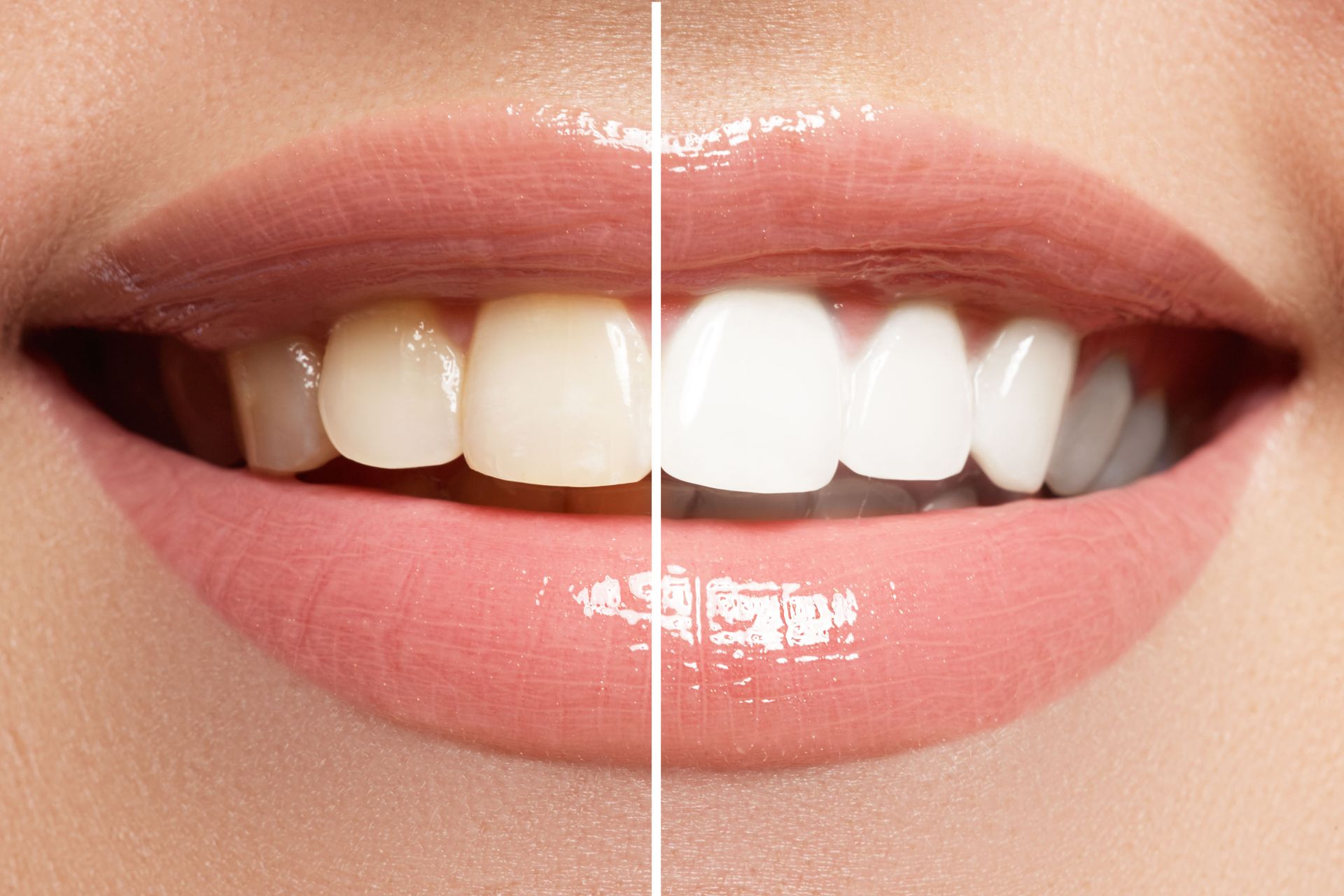
Aesthetics play a key role in personal confidence, making the preservation of your natural smile a top priority. Endodontic therapy allows you to keep your original tooth, avoiding the cosmetic changes associated with gaps or artificial crowns. Maintaining your natural teeth ensures your smile remains authentic without requiring extensive cosmetic adjustments. Preserving original tooth structure provides a seamless visual outcome that artificial options struggle to match.
Upholding Conservation Care Standards
Dental professionals view saving natural teeth as the ultimate goal of restorative care. Endodontic treatment directly supports this conservative philosophy by eliminating internal decay while leaving the external structure intact. Preserving natural enamel avoids invasive tissue removal and long surgical recoveries. Trusting conservative dental care ensures your smile remains functional, healthy, and complete for years to come.
Streamlining Appointment Treatment Timelines
Contrary to popular belief, many endodontic procedures can be fully completed in a single appointment lasting under two hours. The exact duration depends on the tooth's anatomy and the extent of the underlying infection. Routine treatments involve thoroughly cleaning, shaping, and sealing the internal canals in one streamlined session. Modern rotary instruments allow dentists to work efficiently without compromising clinical precision.
Evaluating Treatment Longevity Factors
With proper oral hygiene and a final restoration, a treated tooth can last a lifetime. High clinical success rates prove that saving a tooth through endodontic therapy offers a permanent solution to deep decay. Following post-treatment care instructions prevents future fractures and protects the underlying seal. Performing routine home care ensures your treated tooth functions comfortably for decades.
Adhering to Post-Treatment Care
Maintaining meticulous oral hygiene is essential for protecting a treated tooth from secondary decay along the crown margin. Brushing twice daily, flossing regularly, and attending bi-annual dental cleanings protect your investment. Routine checkups allow your dentist to monitor the surrounding bone health through periodic X-rays. Practicing consistent oral care guarantees the ongoing stability of your restored smile.
Managing Complex Retreatment Scenarios
If a previously treated tooth experiences new decay or trauma years later, endodontic retreatment can often save it again. Specialized endodontists can remove old filling materials, re-clean missed canals, and re-seal the tooth effectively. Modern microscopic techniques make retreatment highly successful, offering a second chance to preserve your natural tooth. Retreatment provides a reliable alternative to permanent extraction.
Embracing Fact-Based Dental Solutions
Overcoming fear begins with separating outdated myths from modern clinical realities. Understanding the high success rates, safety profile, and pain-relieving nature of endodontic therapy empowers patients to seek timely care. Choosing evidence-based treatment protects your health and saves your natural smile. Embracing factual information ensures you make confident, proactive decisions for your teeth.
Utilizing Available Financial Support
Many dental practices offer third-party financing options, such as low-interest healthcare credit cards, to help cover treatment costs. These programs allow patients to break down the cost of care into manageable monthly installments. Utilizing financial assistance removes immediate cost barriers, allowing you to prioritize urgent dental needs. Asking your dental team about financial resources ensures care remains accessible.
Investing in Long-Term Health
Investing in prompt endodontic care pays lasting dividends in oral function, systemic health, and personal comfort. Treating an infected tooth early prevents emergency room visits and complex surgical procedures down the road. Proactive care preserves your natural chewing ability and keeps your jaw structure intact. Treating your teeth as valuable lifelong assets supports your overall well-being.
Comparing Costs Against Implants
When comparing long-term expenses, saving a natural tooth is significantly cheaper than placing a dental implant and crown. Implants require multiple surgical visits, bone grafting in some cases, and custom lab fabrication, driving up total costs. Endodontic care resolves the underlying issue directly, saving both time and money. Choosing to preserve your original tooth offers superior value without sacrificing quality.
Securing Enduring Financial Value
Addressing dental infections promptly yields significant financial savings by avoiding complex restorative work in the future. Preserving your natural tooth prevents the structural shifting that leads to uneven wear, joint pain, and cracked teeth elsewhere. Taking a proactive approach to dental health minimizes lifetime dental expenditures. Investing in timely care protects both your smile and your financial peace of mind.
Understanding the facts about endodontic care empowers you to make informed decisions and receive pain-relieving treatment without unnecessary fear. Modern technology, effective anesthesia, and proven techniques ensure your visit is comfortable, efficient, and successful. Preserving your natural teeth protects your smile's function, appearance, and overall health for years to come. To schedule your consultation and protect your natural smile, contact Marlin Flanagin DDS.


Share On: